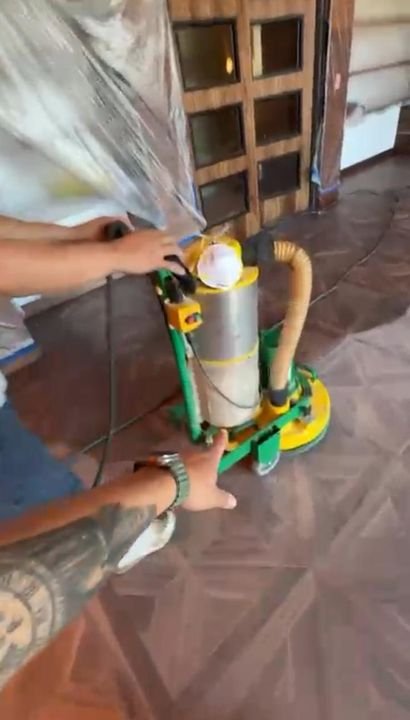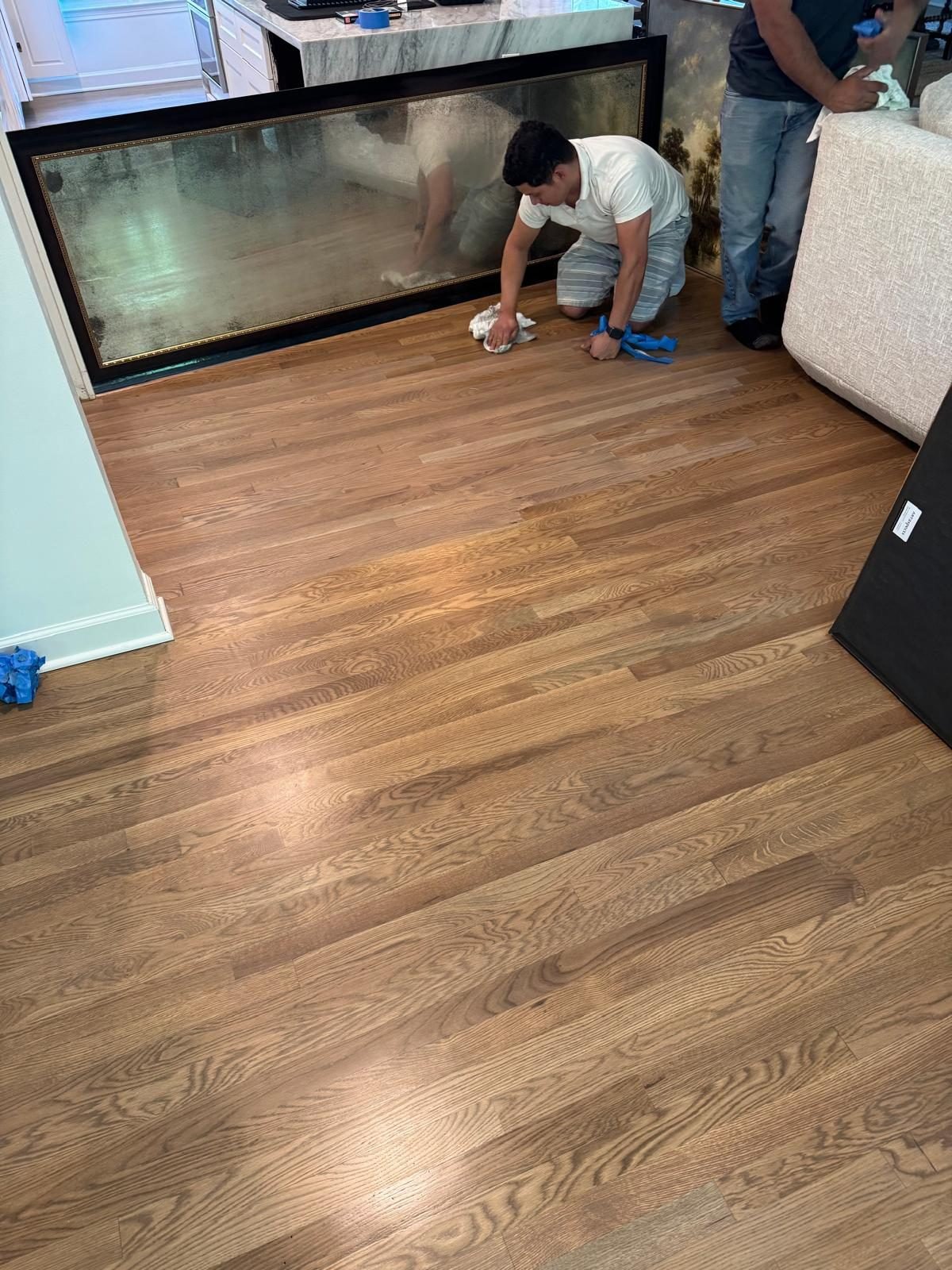
Hardwood is one of the few floors you can bring back to life. A tired, scratched floor that looks ready for the dumpster can often look close to new after a proper sanding and a fresh finish. But not always. Here is how we look at a floor when we walk into your home, so you can get a feel for it before we even arrive.
Signs your floor just needs a refinish
If the problems sit on the surface, refinishing is usually the way to go. That includes:
- Scratches and scuffs from pets, kids, chairs and years of everyday life.
- A dull or worn finish, especially in walkways, in front of the sink and by the doors, where the wood starts to look gray or dry.
- A color you no longer love. That orange-toned oak from twenty years ago can become a soft natural tone, a warm brown or a modern gray.
- Small stains that have not soaked deep into the wood.
Solid hardwood can usually be sanded and refinished several times over its life, because there is plenty of wood above the tongue and groove. That is a big part of why a well-kept hardwood floor lasts for decades.
When a repair is the smarter middle ground
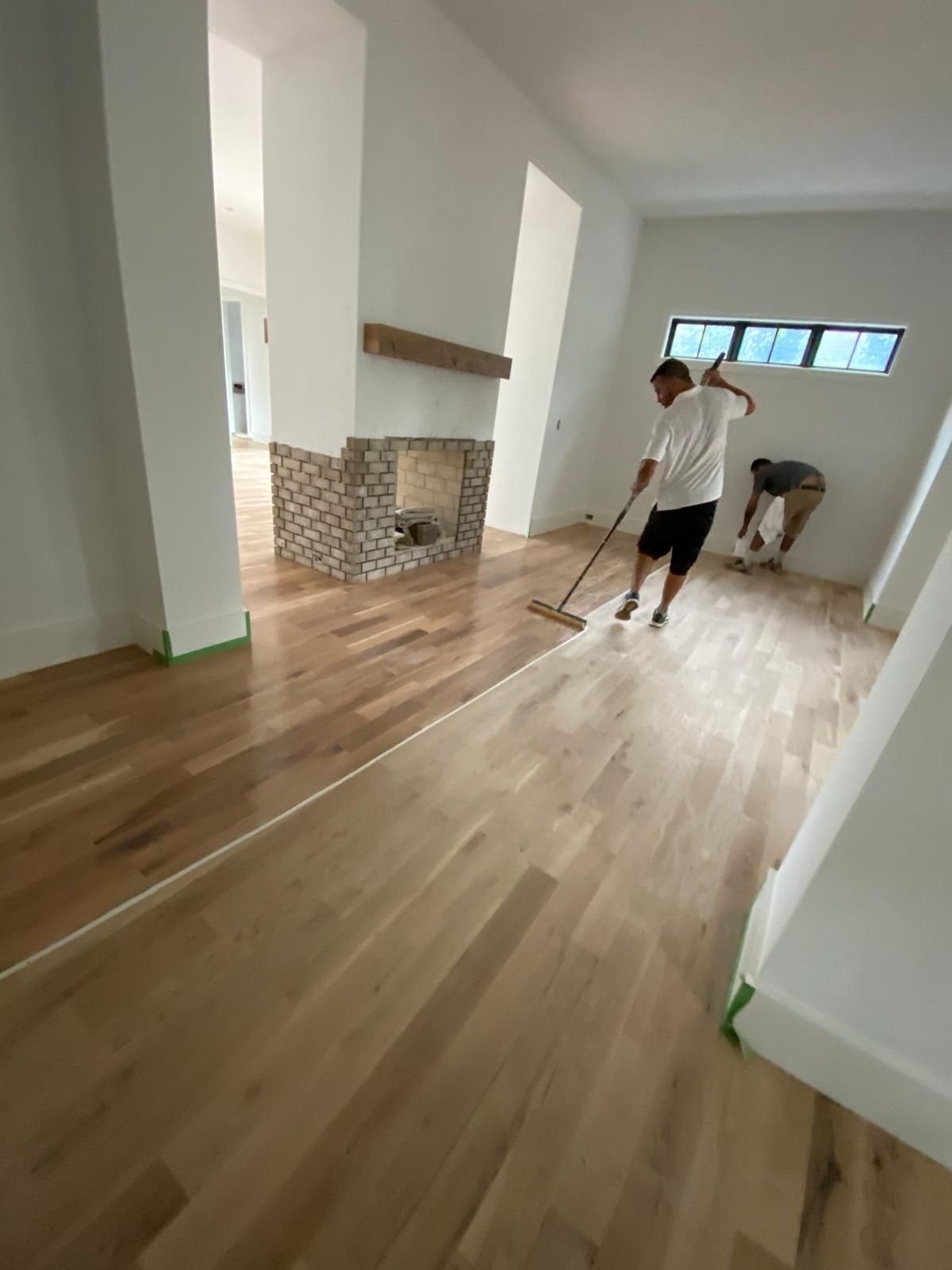
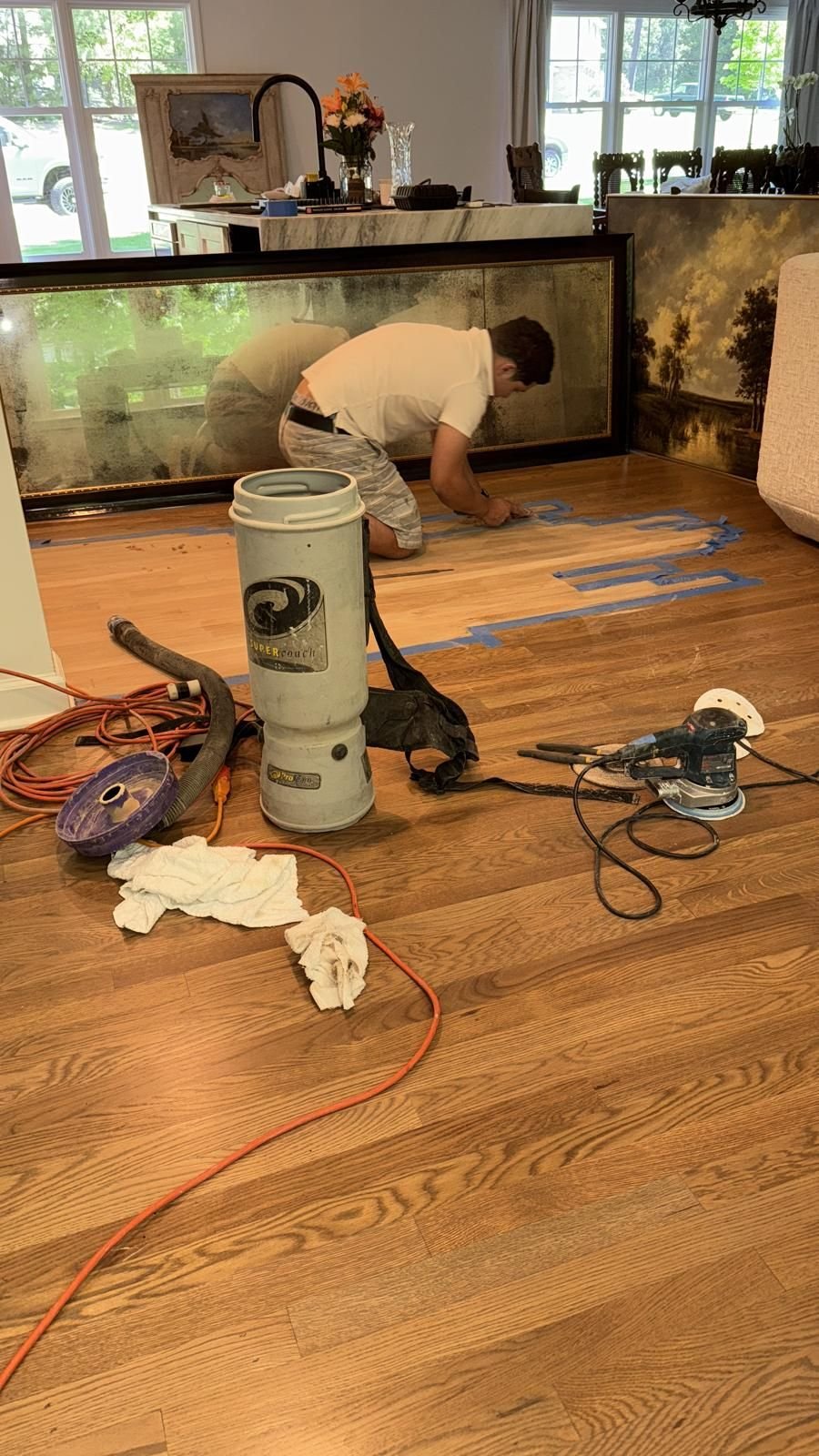
Sometimes the floor is fine except for one area: a pet stain, a leak by the fridge, a few cracked or loose boards. In that case we can cut out the damaged boards, weave in new ones and then sand and finish so the repair blends with the rest of the room. You keep your original floor and avoid the cost and mess of replacing everything.
Signs it is time to replace
Replacement makes sense when the problem goes deeper than the surface:
- Widespread water damage: boards that stay cupped, black stains that go deep, or wood that feels soft.
- Subfloor problems, like bouncing, sagging or squeaks that come from below the boards.
- Boards that are too thin after many past sandings. If you can see the tongues or the nail heads between the boards, there is not enough wood left to sand again.
- Engineered hardwood with a thin top layer. Some engineered floors can be sanded once or twice, others not at all. It depends on the thickness of the real-wood layer on top.
- You want something completely different, like a herringbone pattern or a wider plank, which a refinish cannot give you.
How we decide with you
During a free estimate we walk the floor with you, look at the wear, check for soft or loose spots and, when needed, look at a floor vent or a threshold to see how thick the boards are. Then we give you a straight answer: refinish, repair, replace, or a mix of them. If refinishing will do the job, we will tell you, even though replacing would be the bigger project.
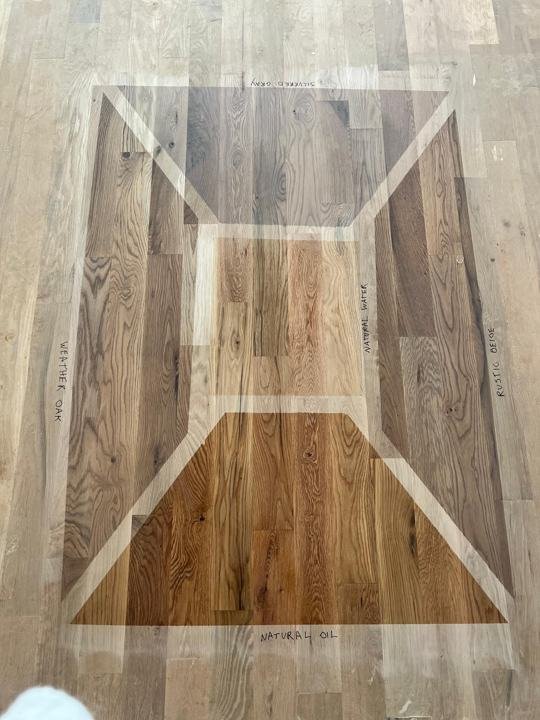
One tip before you decide on color: if you are refinishing, ask to see stain samples applied right on your own floor. Wood changes a lot from house to house, and the same stain can look different in your light.